Emergency Water Extraction in San Bruno
Truck-mounted and portable pumps remove standing water from carpet, pad, hard floors and garages, so drying can start the same visit. Learn more about emergency water extraction.
WATER DAMAGE RESTORATION • SAN BRUNO, CALIFORNIA
A burst pipe in Mills Park, a flooded garage in Crestmoor, sewage coming up a floor drain in Belle Air. When water gets inside, every hour matters. Our water damage restoration San Bruno crews handle extraction, drying, mold prevention and repairs for homes and businesses across 94066. Call now and a crew is dispatched immediately, day or night.
Stop the water source, shut off power to wet areas, move valuables to a dry spot, take photos, then call (650) 822-6798 so extraction and drying start before mold sets in.
Most damage after a leak happens in the first 24 to 48 hours. Drywall wicks water upward, hardwood starts to cup, and the cool, foggy air on the Peninsula keeps everything damp longer than it would inland. These quick steps limit what needs to be torn out later:
Every water loss is different. A slow leak behind a vanity needs a different plan than a creek overflow in Belle Air or a sewer backup in a 1950s ranch house. Here is the full range of work our crews handle across San Bruno:
Truck-mounted and portable pumps remove standing water from carpet, pad, hard floors and garages, so drying can start the same visit. Learn more about emergency water extraction.
Air movers, dehumidifiers and daily moisture readings dry walls, subfloors and framing to normal levels, which matters in a fog-belt climate where air rarely dries things on its own. See water mitigation and structural drying.
Many homes here still run on original galvanized supply lines that corrode from the inside and split without warning. Read about burst pipe water damage cleanup.
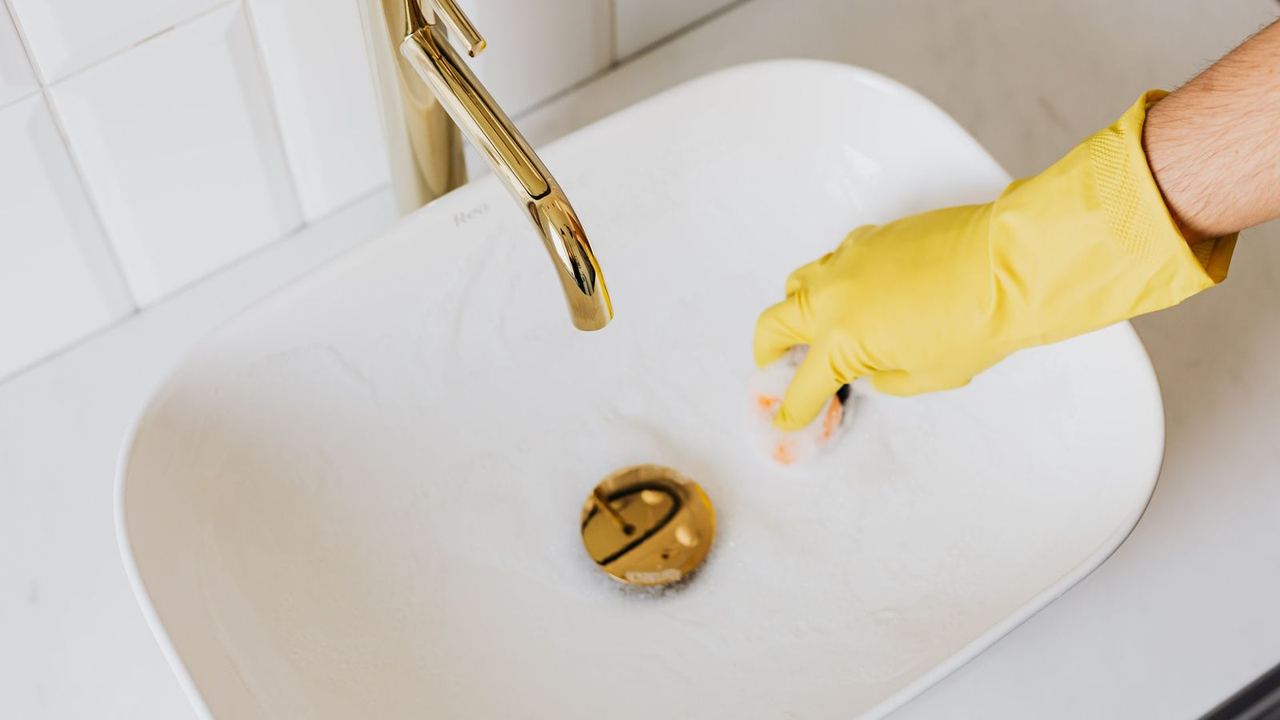
Category 3 water from a toilet, floor drain or failed sewer lateral is cleaned out, disinfected and dried with full protective gear. Details on sewage backup cleanup.
Raised ranch homes in Crestmoor, Rollingwood and along Skyline Boulevard often collect water underneath after heavy rain. That water is pumped out and the space is dried before it feeds mold into the floors above. Read about crawl space water damage.
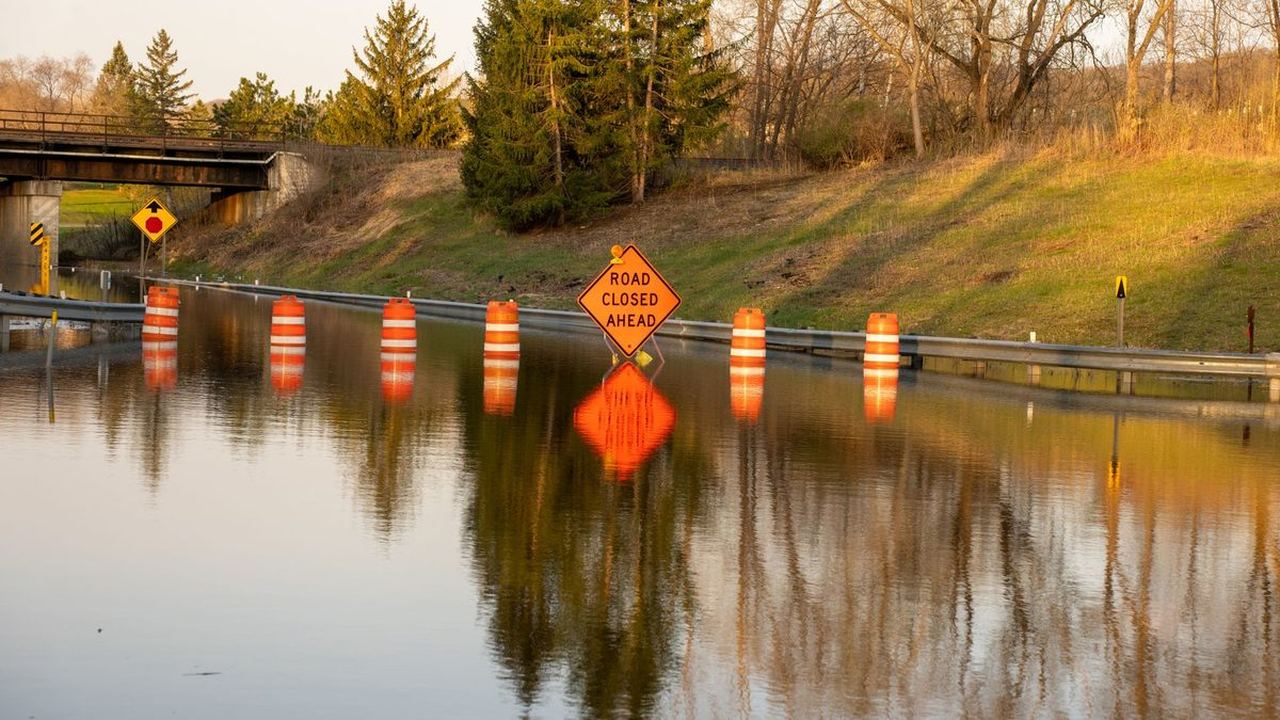
Winter storms, high tides along San Bruno Creek and blocked street drains push water into homes and garages, especially in the lower parts of the city. See storm and flood damage restoration.
Downhill lots catch runoff from the streets above, and converted garages and in-law units sit right at ground level. Learn about flooded garage and in-law unit cleanup.
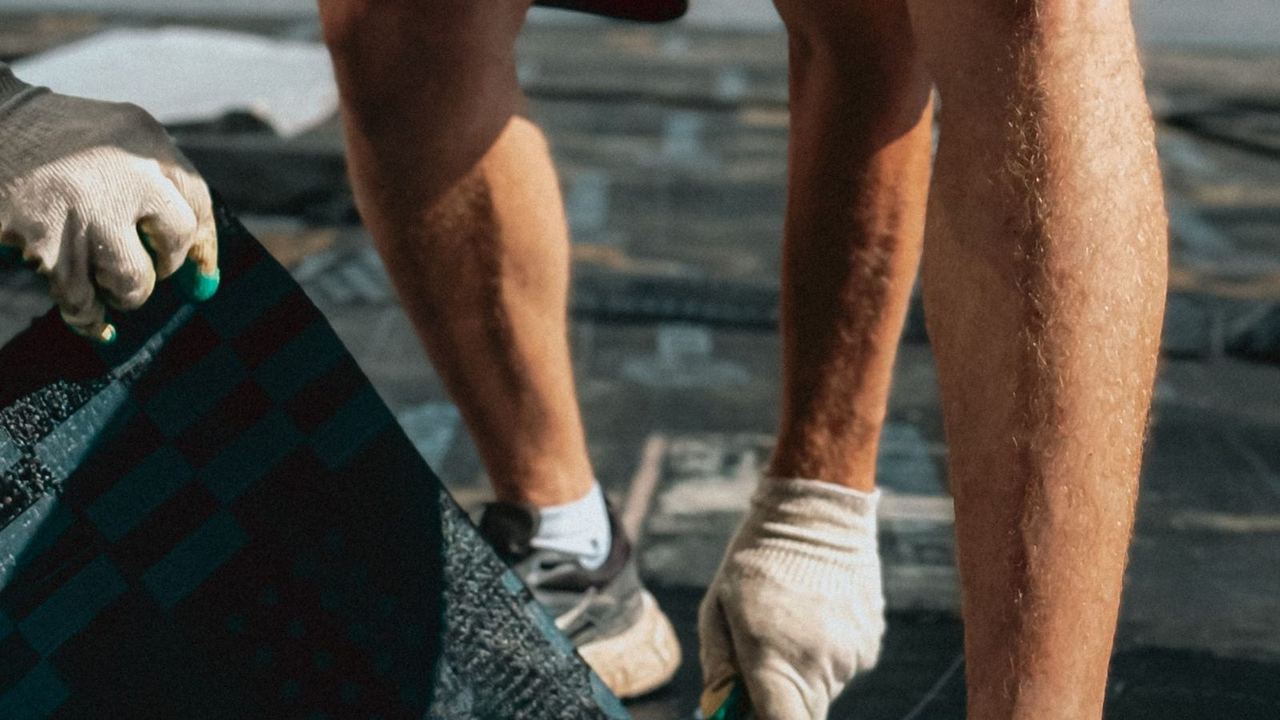
Wind-driven rain off the western hills finds gaps in roofing and flashing, soaking attic insulation and staining ceilings. Read about ceiling and roof leak water damage.
Warm spots on the floor, a rising water bill or the sound of running water with every tap closed can point to a leak under the slab or inside a wall. See slab leak and hidden leak water damage.
Failed water heaters in garages and closets, burst washing machine hoses, dishwasher leaks and refrigerator lines. Learn about water heater and appliance leak cleanup.
Mold can start growing on wet drywall and wood within two to three days. Affected materials are contained, removed and treated, and the moisture source is corrected. Read about mold remediation.
Leaks that travel between units in Shelter Creek and other multi-unit buildings need careful moisture tracing and clear records for the owner and the HOA. See condo water damage restoration.

Shops on San Mateo Avenue, restaurants and offices along El Camino Real, and businesses near Tanforan and Bayhill can schedule work after hours to keep doors open. Learn about commercial water damage restoration.
Original oak floors in post-war homes can often be dried in place with floor mat systems before they cup or buckle. Read about hardwood floor water damage drying.
San Bruno is mostly a city of post-war homes. The typical house was built in the late 1950s, and more than half of local housing dates from the 1940s through the 1960s. That age shapes the kind of water damage people here deal with.
Galvanized steel supply pipes rust from the inside, narrowing until a joint fails. Cast iron drain lines crack, and older clay or cast iron sewer laterals let roots in. The city requires a sewer lateral inspection when a home is sold, and the private lateral from the house to the main is the owner's responsibility. A cracked or root-blocked lateral is one of the most common causes of sewage backups here.
Many mid-century ranches in Crestmoor, Rollingwood and the western hills sit over crawl spaces rather than slabs. Rain runs downhill, collects under the house and sits there unseen. Weeks later the first sign is often a musty smell or soft flooring.
Stormwater from much of the city drains to San Bruno Creek, which empties into the Bay near SFO. When heavy rain lines up with a high tide, the creek backs up. Belle Air and the streets around 7th Avenue and SR-380 have dealt with repeated flooding, and San Bruno Avenue near Huntington Avenue has closed during big storms.
Neighborhoods built into the hills, including Crestmoor, Portola Highlands and Pacific Heights, send a lot of water downhill in a short time. Homes on the low side of the street, with garages or in-law units at grade, take the brunt of it.
The northern and western parts of San Bruno sit in the Peninsula fog belt. Cool, humid air means a wet wall or subfloor does not dry out by itself, and mold has more time to start. Proper drying here takes dehumidifiers and moisture checks, not open windows.
Whether it is a single bathroom leak or a whole-floor flood, the work follows the same core steps.
You call (650) 822-6798 and describe what happened. A crew is dispatched immediately with pumps, drying equipment and protective gear.
The crew stops the source if it is still active, checks for electrical hazards, and uses moisture meters and thermal imaging to find out how far the water spread behind walls and under floors.
Standing water is pumped and vacuumed out of floors, carpet, pad and crawl spaces. The more water removed now, the shorter the drying time.
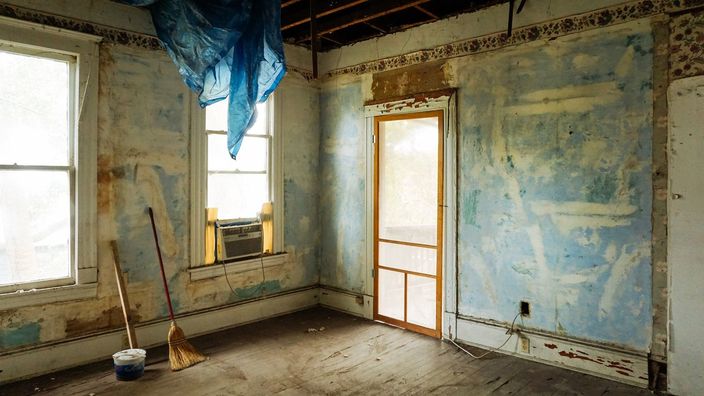
Wet pad, swollen baseboards, saturated insulation and drywall below the water line are removed when they cannot be dried. Anything touched by sewage is handled under Category 3 rules.
Air movers and dehumidifiers are set up and readings are taken each day until wood, drywall and subfloor reach normal moisture levels. This usually takes three to five days.
Surfaces are cleaned and treated with antimicrobial products to stop mold and bacteria growth.
Drywall, baseboards, flooring and paint are put back so the room looks the way it did before the loss.
The IICRC S500 standard, the main industry reference for water damage work, sorts water by how contaminated it is. The category decides how the job is handled.
Category 1, clean water:
broken supply lines, burst pipes, overflowing sinks, rainwater. Lowest risk if handled quickly.
Category 2, gray water:
washing machine and dishwasher discharge, toilet overflow without waste, sump pump failures. Contains contaminants that can make people sick.
Category 3, black water:
sewage, creek and flood water from outside, and any water left standing long enough to grow bacteria. Porous materials it touches usually have to be removed.
Clean water turns into gray or black water when it sits. A pipe leak left for several days can become a Category 3 job, which is one more reason to start extraction early.
Crews cover every part of San Bruno, ZIP 94066, from the flats near the Bay to the homes along Skyline Boulevard:
See the full list on our service areas page.
The same crews also work in the cities around San Bruno:
 South San Francisco, CA 94080
 Pacifica, CA 94044
 Burlingame, CA 94010
 Brisbane, CA 94005
A leak in a restaurant kitchen, a sprinkler line break in an office or a flooded storeroom can shut a business down fast. For commercial properties in San Bruno, CA, water damage repair is planned around your hours. Crews can work overnight and on weekends, section off wet areas so the rest of the space stays open, and keep moisture logs for your records. This covers retail on San Mateo Avenue, offices along El Camino Real and near Bayhill, businesses around Tanforan, and hotels and warehouses close to SFO.
Most homeowners policies cover sudden and accidental water damage, such as a burst pipe or a failed water heater. Damage from slow leaks over time, poor maintenance or outside flooding is often excluded, and flood coverage usually needs a separate policy.
Every policy is different, so check yours or call your agent. What helps any claim is good documentation. On every job our crew records:
You can share this record with your adjuster. The decision on coverage always stays between you and your insurance company.
Costs depend on how much area is wet, the water category, how long drying takes, and what has to be removed and rebuilt. As a rough guide, cleanup and drying for one or two rooms of clean water often runs somewhere between $1,500 and $6,000, while sewage, crawl space or whole-floor losses with rebuild work run higher. You get a clear scope before any major work begins. For a full breakdown of what drives the price, read our water damage cost guide.
Most of San Bruno's flooding happens between November and March, when atmospheric river storms roll in off the Pacific. A little prep before the season starts goes a long way:
More detail is in our Belle Air storm checklist.
When you are standing in a wet hallway it is hard to compare options. A few questions help you choose the right water damage company in San Bruno:
Our crews work through each of these on every job, from a small leak to a full flood.
A crew is dispatched immediately after your call to (650) 822-6798, with a 24/7 water damage service line answered day and night, including weekends and holidays.
Most homes take three to five days of drying. Crawl spaces, hardwood floors, sewage jobs and homes in foggy neighborhoods can take longer.
Small clean-water spills on hard floors can be handled with towels and a wet vac. Water inside walls, under floors, in a crawl space or from sewage needs professional water damage cleanup and drying equipment to prevent mold.
Carpet soaked with clean water can often be dried and saved, though the pad underneath is usually replaced. Carpet touched by sewage or floodwater has to be removed.
Mold can begin growing within 24 to 72 hours on wet drywall, wood and carpet, and San Bruno's humid, foggy air can speed that up.
In San Bruno the private sewer lateral running from the house to the city main belongs to the property owner. A blockage in that line is generally the owner's responsibility, while a problem in the public main is the city's.
Belle Air and the low streets near San Bruno Creek, 7th Avenue and SR-380 see the most flooding. Downhill homes in hillside neighborhoods often get runoff in garages and crawl spaces.
Yes. Condos, apartments, in-law units and rental homes are all covered, with moisture records owners, tenants and HOAs can share.
Yes. Offices, retail stores, restaurants and other commercial spaces across San Bruno are covered, with after-hours scheduling when needed.
Call (650) 822-6798 now for water damage San Bruno 94066 help. A crew is dispatched immediately.
(650) 822-6798Water does more damage with every hour it sits, and fast water damage restoration San Bruno homeowners can reach keeps a dry-out from turning into a full rebuild. If your home or business in San Bruno has a burst pipe, a flooded crawl space, a sewer backup or storm water coming in, call (650) 822-6798 now. A crew is dispatched immediately to start extraction and drying anywhere in 94066 and the surrounding Peninsula cities.
Request Emergency Help
Fill this in and we will call you back. For immediate help, call (650) 822-6798.